 BM News Feed
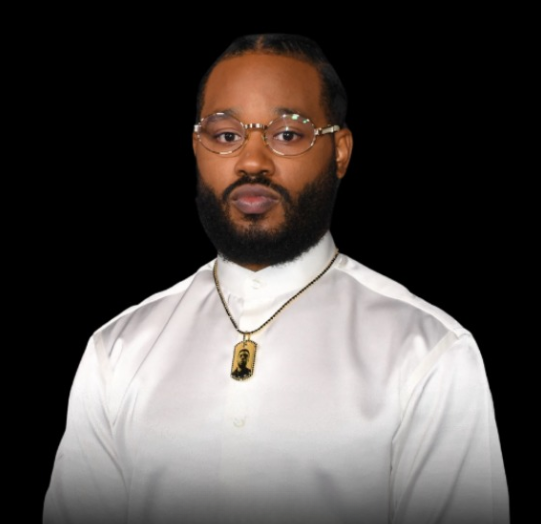
Ryan Coogler may not have taken home the Directors Guild of America’s top honor this year — that recognition went to Paul Thomas Anderson for “One Battle After Another” — but Coogler’s presence on stage was meaningful in ways that extended far beyond the outcome of the award.
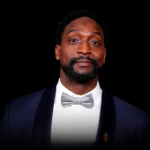
During the ceremony, Coogler was presented with his DGA Nominee Medallion by his longtime collaborator and friend, Michael B. Jordan. The moment carried emotional weight, reflecting not only their creative partnership but also the journey they have shared through multiple projects that have shaped contemporary cinema.
Coogler’s nomination itself marked a significant milestone. He became just the fifth Black filmmaker ever recognized by the Directors Guild of America in this prestigious category. In an industry still working toward broader representation behind the camera, that distinction underscores both his individual achievement and the broader progress within the filmmaking community.
Rather than centering his remarks on awards-season results or competitive outcomes, Coogler chose to use his time at the podium to address issues that matter deeply to him. He spoke about the importance of family, emphasizing how personal support systems shape creative careers and sustain artists through the demands of the industry. His comments highlighted that behind every filmmaker is a network of loved ones who help make the work possible.
He also touched on healthcare and the value of union protections, topics that resonate strongly within the entertainment world. Film and television production often involve freelance or project-based employment, making access to healthcare coverage and workplace protections especially significant. By raising these points during a high-profile industry event, Coogler shifted the spotlight from individual recognition to collective well-being.
His remarks reflected a broader perspective on success. While awards can celebrate artistic excellence, Coogler’s comments suggested that structural support — from fair labor conditions to reliable healthcare — is equally vital to sustaining creative communities. In doing so, he reminded audiences that the industry’s achievements rest not only on talent but also on systems that protect and uplift those who contribute to it.
The moment also reinforced Coogler’s reputation as a filmmaker who blends artistry with social awareness. Throughout his career, he has often addressed themes of identity, community, and justice in his storytelling. Bringing that same mindset to an awards-stage speech felt consistent with his body of work.
Though the evening’s top prize went elsewhere, Coogler’s appearance was still widely regarded as impactful. Recognition from the Directors Guild places him among some of the most respected filmmakers in the industry, and his nomination represents both personal accomplishment and a step forward for greater diversity in directing.
In the end, while trophies mark milestones, it was Coogler’s message about family, healthcare, and solidarity that resonated most. His decision to focus on substance over celebration turned a nomination moment into a meaningful statement about the values that sustain the creative world.